


E-Mobility Battery
What is E-Mobility Battery?
E-mobility battery refers to the rechargeable energy storage systems specifically designed for electric vehicles (EVs) and hybrid electric vehicles (HEVs). These batteries are integral to the propulsion system of e-mobility solutions, providing the necessary power to drive the vehicle's electric motor.
Why Choose Us
Quality assurance
Out of passion for green energy, United has set up a professional renewable energy team with more than 10 years of experience in the rechargeable lithium-iron battery pack industry.
Good service
You can be sure that you are getting the most competitive battery packs on the market backed by top level customer service.
Reasonable price
The price is reasonable and will bring you different surprises.
Fast delivery
The delivery speed is fast, and the delivery will be sorted out for you as soon as the order is placed.


Electric vehicle (EV) batteries are the silent powerhouse driving the electrification of transportation. At their core, EV batteries function on the principles of electrochemistry, utilizing chemical reactions to store and release energy. The predominant technology, lithium-ion (Li-ion) batteries, consists of interconnected cells that house positive and negative electrodes separated by an electrolyte. During discharging, when the vehicle is in use, lithium ions move from the negative electrode (anode) to the positive electrode (cathode) through the electrolyte, generating electrical energy to power the electric motor. In the charging phase, this process is reversed, with lithium ions flowing back to the anode, facilitated by an external power source. The efficiency and energy density of these batteries determine the vehicle’s range and performance. Ongoing research explores advancements like solid-state batteries and alternative materials, aiming to enhance safety, reduce costs, and address environmental concerns.
Batteries for Electric Vehicles
Energy storage systems, usually batteries, are essential for all-electric vehicles, plug-in hybrid electric vehicles (PHEVs), and hybrid electric vehicles (HEVs).
Types of Energy Storage Systems
The following energy storage systems are used in all-electric vehicles, PHEVs, and HEVs.
Lithium-Ion Batteries
Lithium-ion batteries are currently used in most portable consumer electronics such as cell phones and laptops because of their high energy per unit mass and volume relative to other electrical energy storage systems. They also have a high power-to-weight ratio, high energy efficiency, good high-temperature performance, long life, and low self-discharge. Most components of lithium-ion batteries can be recycled, but the cost of material recovery remains a challenge for the industry. Most of today's all-electric vehicles and PHEVs use lithium-ion batteries, though the exact chemistry often varies from that of consumer electronics batteries. Research and development are ongoing to reduce their relatively high cost, extend their useful life, use less cobalt, and address safety concerns in regard to various fault conditions.
Nickel-Metal Hydride Batteries
Nickel-metal hydride batteries, used routinely in computer and medical equipment, offer reasonable specific energy and specific power capabilities. Nickel-metal hydride batteries have a much longer life cycle than lead-acid batteries and are safe and abuse tolerant. These batteries have been widely used in HEVs. The main challenges with nickel-metal hydride batteries are their high cost, high self-discharge rate, heat generation at high temperatures, and the need to control hydrogen loss.
Lead-Acid Batteries
Lead-acid batteries can be designed to be high power and are inexpensive, safe, recyclable, and reliable. However, low specific energy, poor cold-temperature performance, and short calendar and lifecycle impede their use. Advanced high-power lead-acid batteries are being developed, but these batteries are only used in commercially available electric-drive vehicles for ancillary loads. They are also used for stop-start functionality in internal combustion engine vehicles to eliminate idling during stops and reduce fuel consumption.
Ultracapacitors
Ultracapacitors store energy in the interface between an electrode and an electrolyte when voltage is applied. Energy storage capacity increases as the electrolyte-electrode surface area increases. Although ultracapacitors have low energy density, they have very high power density, which means they can deliver high amounts of power in a short time. Ultracapacitors can provide vehicles additional power during acceleration and hill climbing and help recover braking energy. They may also be useful as secondary energy-storage devices in electric-drive vehicles because they help electrochemical batteries level load power.
Recycling Batteries
Electric-drive vehicles are relatively new to the U.S. auto market, so only a small number of them have approached the end of their useful lives. As electric-drive vehicles become increasingly common, the battery-recycling market may expand.
Widespread battery recycling would help keep hazardous materials from entering the waste stream, both at the end of a battery's useful life and during its production. The U.S. Department of Energy is also supporting the Lithium-Ion Battery Recycling Prize to develop and demonstrate profitable solutions for collecting, sorting, storing, and transporting spent and discarded lithium-ion batteries for eventual recycling and materials recovery. After collection of spent batteries, the material recovery from recycling would also reintroduce critical materials back into the supply chain and would increase the domestic sources for such materials. Work is now underway to develop battery-recycling processes that minimize the life-cycle impacts of using lithium-ion and other kinds of batteries in vehicles.
E-Mobility Battery - The Advantages of Lithium-Ion Batteries
Lithium-ion batteries are the heart of our electric cars. They are particularly powerful and have the highest energy density compared to other batteries. This means that they can store the most energy per kilogram of battery. Lithium-ion batteries have numerous advantages: due to their compact size, more individual lithium-ion batteries fit , So you can travel further. They also require less energy to cool the vehicle battery to its optimal operating temperature.
Independent studies estimate that you can drive 250,000, even up to 500,000 km with the battery of an electric car1. The durability of our batteries is therefore probably on a par with that of our combustion engines. That's why we give an 8-year guarantee on our electric car batteries, or 160,000 km of driving. And should there be a reason for complaint, your car will be ready for use again in no time at all.
There are many ways to charge electric car. At a public fast charging station1, it can be charged up to 80% within 30 minutes1. With the numerous other charging solutions, you can determine charging cycles individually - Choose between the single or three-phase wallbox (7.4 or 11 kW).
To be really precise, each electric car has two batteries: One that's responsible for the drive. And an additional 12-volt battery that is responsible for starting, central locking, interior lights, instruments - Just like any combustion engine. The energy of the 12-volt battery keeps the car operational even after about six weeks of standstill.
The manufacturing costs of lithium-ion batteries have fallen sharply in recent years. While the price was still 600 euros per kilowatt hour in 2010, a price reduction to around 83 euros per kilowatt hour is forecast by 20251. This is one of the reasons why our electric cars have also become more affordable in recent years.
The distinction between electric vehicle (EV) batteries and conventional batteries lies not only in their applications but also in their design, performance, and the unique challenges they address within their respective domains.
At a fundamental level, both EV batteries and traditional batteries operate on the principles of electrochemical reactions, converting chemical energy into electrical energy. However, the key disparities arise in their scale, composition, and functionalities.
Electric Vehicle Batteries
Electric vehicle batteries, often lithium-ion (Li-ion) in modern EVs, are designed to power electric propulsion systems. These batteries are massive in comparison to typical consumer batteries, as they must store and deliver substantial energy to propel a vehicle over longer distances. The energy density of EV batteries is a critical factor, influencing the range an electric vehicle can cover on a single charge. Advanced materials and engineering go into the construction of these batteries, emphasizing durability, efficiency, and high energy density to meet the demands of electric mobility.
Conventional Batteries
Conventional batteries, on the other hand, encompass a broad category that includes alkaline, lead-acid, nickel-metal hydride (NiMH), and other types. They are widely used in everyday electronic devices, from remote controls to flashlights. Unlike EV batteries, traditional batteries are designed for smaller-scale applications and are not tasked with powering the complex systems of a moving vehicle. Alkaline batteries, for instance, are known for their reliability in providing a steady, albeit lower, amount of power over an extended period. Lead-acid batteries are commonly used in vehicles with internal combustion engines, providing the electrical energy necessary for starting the engine and powering various onboard systems.

Electric Car Battery Lease Programs
Electric vehicles (EVs) have emerged as a promising solution to combat environmental degradation caused by traditional gasoline-powered cars. However, one of the major barriers hindering widespread EV adoption is the high upfront cost associated with purchasing the vehicle and its battery. To alleviate this financial burden, electric car battery lease programs have gained traction in the market.
Lower Initial Investment
Electric car battery lease programs offer consumers the opportunity to drive an EV without the hefty upfront expense of purchasing the battery outright. Instead, lessees pay a monthly fee for the battery, which is typically lower than the cost of financing or purchasing a new battery. This model significantly reduces the initial investment required to own an electric vehicle, making EVs more accessible to a wider demographic of consumers.
Flexible Payment Options
One of the key advantages of battery lease programs is the flexibility they provide in payment options. Unlike traditional car financing, which often requires a sizable down payment and fixed monthly installments, battery lease programs offer customizable payment plans tailored to individual budgets and preferences. This flexibility enables consumers to choose a payment structure that aligns with their financial situation, thereby enhancing affordability and accessibility.
Promoting Battery Recycling
Battery lease programs play a crucial role in promoting sustainable practices within the electric vehicle industry, particularly in terms of battery recycling. As batteries reach the end of their usable life, they can be returned to the manufacturer through the lease program. This facilitates the recycling and repurposing of battery components, reducing the environmental impact associated with disposal and contributing to the circular economy.
Long-Term Cost Savings
In addition to reducing upfront costs, electric car battery lease programs offer long-term cost savings for consumers. By eliminating the need for battery replacement and maintenance expenses, lessees can enjoy predictable monthly payments without the risk of unexpected repair or replacement costs. Moreover, as battery technology continues to evolve, lease programs allow consumers to upgrade to newer, more efficient batteries without the financial burden of purchasing a new one outright.
Enhanced Resale Value
Another advantage of participating in a battery lease program is the potential for enhanced resale value of the electric vehicle. Since the battery is owned and maintained by the manufacturer or leasing company, prospective buyers are reassured by the reliability and condition of the battery, thus increasing the resale value of the vehicle. This can be particularly appealing for consumers who prioritize long-term ownership and resale potential when considering an electric vehicle purchase.
Challenges and Considerations
Electric car battery lease programs offer numerous benefits, but they also come with their own set of challenges and considerations. Understanding these factors is crucial for consumers looking to make informed decisions about participating in such programs.
●Limited Availability: One of the primary challenges associated with battery lease programs is their limited availability in certain regions. While major automakers and leasing companies offer these programs in select markets, they may not be widely accessible to all consumers. This limitation can pose a barrier to EV adoption for individuals residing in areas where battery lease options are not readily available.
●Lease Terms and Conditions: Consumers considering a battery lease program must carefully review the terms and conditions outlined by the leasing company. These agreements often include clauses related to mileage restrictions, wear and tear guidelines, and early termination fees. Failure to adhere to these terms could result in additional costs or penalties, impacting the overall affordability of the lease program.
●Dependency on Manufacturer: Participating in a battery lease program means entrusting the maintenance and servicing of the battery to the manufacturer or leasing company. While this can alleviate concerns about battery upkeep, it also creates a dependency on the manufacturer for repairs, replacements, and upgrades. Consumers should evaluate the reputation and reliability of the manufacturer before committing to a lease program to ensure continued support and service availability.
Future Outlook and Trends
Despite the challenges associated with electric car battery lease programs, the future outlook for these initiatives remains optimistic. As technology continues to advance and market demand for electric vehicles grows, several trends are expected to shape the evolution of battery lease programs in the coming years.
●Expansion of Lease Options: With increasing consumer interest in electric vehicles, automakers and leasing companies are likely to expand their battery lease offerings to new markets and vehicle models. This expansion will enhance accessibility and choice for consumers, allowing a broader range of individuals to benefit from the advantages of battery lease programs.
●Innovations in Battery Technology: The ongoing development of battery technology is poised to revolutionize the electric vehicle industry, driving improvements in energy density, charging speed, and lifespan. As battery technology advances, lease programs may incorporate newer, more efficient battery models, providing lessees with access to cutting-edge technology without the need for costly upgrades or replacements.
●Integration with Renewable Energy: A growing emphasis on sustainability and renewable energy sources is expected to influence the future of electric car battery lease programs. As renewable energy infrastructure continues to expand, there is potential to integrate battery lease programs with solar energy systems and smart grid technologies, enabling consumers to store and utilize renewable energy more effectively.
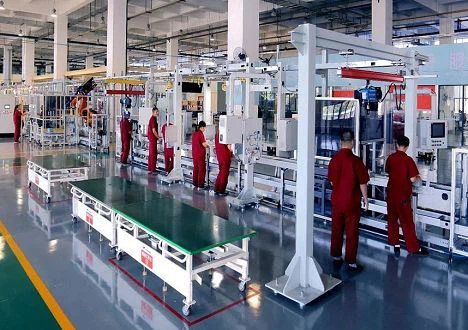
Our Factory
Here at Combine New Energy, green energy is more than just a trend. We are devoted to creating a new standard in energy storage. Our goal is to enable the widespread deployment of this cutting-edge technology to make green, renewable energy available for everyone. Combine LiFePO4 battery packs are made from 100% safe, nontoxic, renewable energy that can be charged and discharged repeatedly. Our packs are built to last for years. You can be sure that you are getting the most competitive battery packs on the market backed by top level customer service.