



Industrial EV Power System
What is Industrial EV Power System?
Industrial EV Power System (EVSE) supplies electricity to an electric vehicle (EV). Commonly called charging stations or charging docks, they provide electric power to the vehicle and use that to recharge the vehicle's batteries. EVSE systems include the electrical conductors, related equipment, software, and communications protocols that deliver energy efficiently and safely to the vehicle.
Why Choose Us
Quality assurance
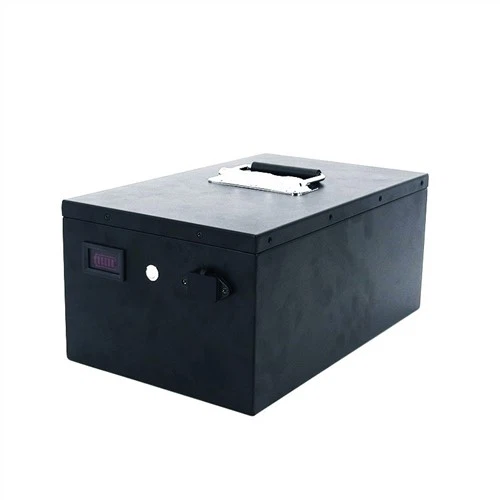
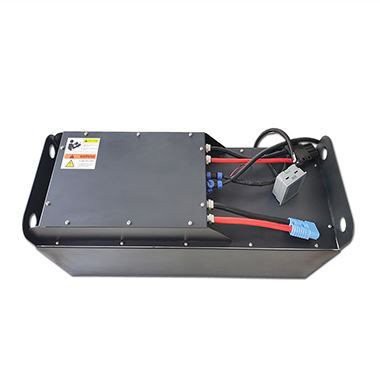
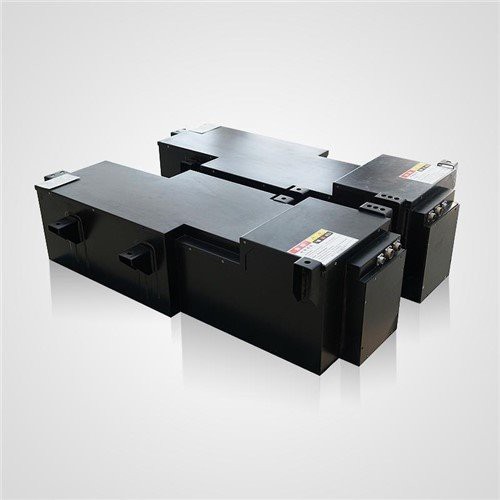
Out of passion for green energy, United has set up a professional renewable energy team with more than 10 years of experience in the rechargeable lithium-iron battery pack industry.
Good service
You can be sure that you are getting the most competitive battery packs on the market backed by top level customer service.
Reasonable price
The price is reasonable and will bring you different surprises.
Fast delivery
The delivery speed is fast, and the delivery will be sorted out for you as soon as the order is placed.




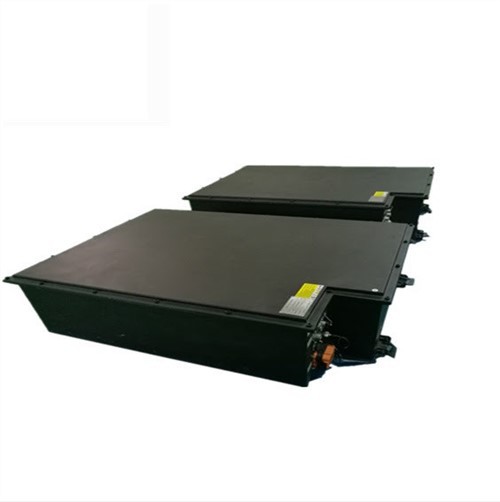
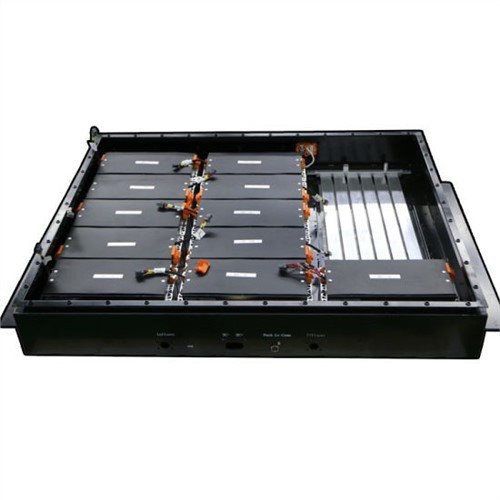
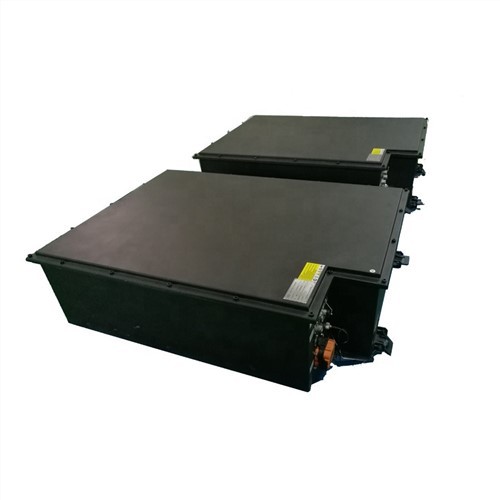
There are a few reasons why implementing power management software for your business is crucial.
Increased Charging Capacity
Expanding electrical capacity is expensive, time-consuming and requires municipal or utility approvals. But businesses don't want to limit their charging stations to whatever capacity exists at the site. Power management thus allows charging stations to operate with many more chargers (depending on their expected usage) without exceeding their site electrical limits.
Better Monitoring of Your Electrical Infrastructure
Power management is incredibly helpful in monitoring the health and efficiency of your electrical infrastructure. That means decreased power incidents and increased uptime. As systems develop and smart charging, power management software and demand response continue to interconnect, your place of business will save even more money and your energy grid usage will continue to become more efficient.
Decreased Upfront Costs for Property Owners
As we mentioned before, electric vehicles can consume a lot of energy. That's bad enough if you're plugging one into your house, but property owners have other considerations to make. Your local grid isn't the only thing with an electricity limit: Your property has one, too. Without a power management system, offering multiple charging stations on your property will likely require expensive upgrades to your electrical infrastructure. Likewise, you're probably going to be hit with huge demand charges.
That all changes with a power management system. Because these systems are built to manage and distribute electricity according to your setting, you can set your chargers to remain within the limits of what you already have. For property owners and developers considering adding charging infrastructure, this is an enormous boon that slashes the initial costs required when offering charging services.
Operational Efficiency for EV Fleets
Another fantastic benefit of power management software is increasing the operational efficiency of your EV fleet. While many businesses can offer charging to EV fleets, power management can be especially beneficial if a business has its fleet to power up. Analyzing the site-specific demands of your fleet can help you adapt driving schedules to increase utilization and optimize charging costs. While an EV fleet may cost slightly more upfront than gas-powered, the opportunity to save on operational costs for the lifetime of the fleet is significant through power management software.
How Does Vehicle Electrification Work?
Vehicle electrification is the process of powering the vehicle by electricity, replacing vehicle components that operate on a conventional energy source with components that operate on electricity. In general, vehicle electrification is focused on the powertrain driven by electricity and its auxiliary systems such as on-board and off-board charging systems, as well as wireless power transfer. Vehicle electrification also covers many other aspects of vehicle functionalities that exist in a conventional non-electric vehicle, such as electronic power-assisted steering, electronic stability program, electronic traction control, intelligent light system, smart electromagnetic suspension, all-wheel drive, airbag deployment system, and more.
The main driving factors for vehicle electrification are the reduction of pollutants, the development of new intelligent transport systems, and the eventual lack of availability of fossil fuels. The efficiency of conventional gasoline vehicles is only about 17% to 21%, whereas the efficiency of an electric motor is between 85% and 90%. In addition to an internal combustion engine (ICE), there are other mechanical, pneumatic, and hydraulic transfer power systems in a conventional vehicle. These mechanical, pneumatic, and hydraulic systems are bulky, heavy, and less efficient than an electrical system. Electrical systems are the most efficient as they can be monitored and communicated with more effectively than the others, which means they can be optimized and controlled for efficiency and performance. Therefore, a 100% electric vehicle (EV) will result in high efficiency and zero emissions of pollutants, thus reducing the overall carbon footprint, as well as attractive designs.
The fundamental and key objective of vehicle electrification is the replacement of a gasoline drive with an electric powertrain. In an electric powertrain, the traction battery pack uses the energy stored in it to drive the electric motor with help of a power electronics converter. During braking or when the speed of the vehicle is reduced, the electric energy is driven back to the battery using a regenerative braking system. Based on the type of electric motor used, the control technique and topology of the converter will vary. The various types of electric motors commonly used in an electric vehicle are the following:
Brushless DC motor (BLDC motor). Used in most lightweight two-wheeler and three-wheeler EVs like electric scooters and electric motorcycles
Permanent-magnet synchronous motor (PMSM). Used by many EV manufacturers for high-performance electric motorcycles, electric cars, and electric buses
AC induction motor (ACIM). Used by the manufacturer for two-wheeler and four-wheeler EVs
Interior permanent magnet Motor (IPMM). Used by some manufacturers for high-performance, two-wheeler electric motorcycles
Permanent-magnet switched reluctance motor (PMSRM). Used in four-wheeler EVs
For an EV, there are three levels of charging—Level 1, Level 2, and Level 3. In Level 1, the car is charged by plugging the vehicle into a 120-volt AC home outlet via an on-board charger. On average, this takes 17 hours to charge a car. In Level 2, the vehicle is plugged into a 240-volt power source at home or an outside charging station. This takes 3.5 to 7 hours. Level 3 involves a standalone DC fast-charging unit based on a 480-volt system. Charge times are faster, but these charging units are not geared for home installation. Instead, consumers must take the vehicle to a standalone charging station, much like taking a car to a gas station.
Vehicle electrification relies on collaboration from interdisciplinary teams responsible for areas such as:
Power electronics, motor drives, electric machines
Advanced electro-mechanical powertrains, systems integration, and thermal management
Vehicle controllers and electronic control units (ECUs)
Batteries and energy storage systems
Energy storage systems' electronic controls, management, and packaging
Hybrid battery/ultra-capacitor energy storage systems
Vehicle-to-grid (V2G), vehicle-to-infrastructure (V2I), and vehicle-to-home (V2H) integration
Understanding EV Powertrain Components


Power electronics are the fundamental technology that controls and converts electrical power in various forms to ensure optimal performance of the EV system. These electrical circuits are critical to any EV's overall performance, efficiency, and cost.
To fully appreciate the function and performance of an EV, it's crucial to gain a clear understanding of its powertrain components, an essential yet often overlooked area of technology. EV powertrain components act as the unsung conductors of the EV's symphony, orchestrating the flow and transformation of electrical energy throughout the system. They play a critical role in all aspects of an EV's operation, from propulsion and performance to safety and energy management. EV powertrain components are essential to every process involved in making the vehicle operate smoothly, from charging to accelerating and decelerating.
Some typical EV powertrain components include:
Traction Motor
As we embark upon a journey into discovering the purpose of various EV powertrain components, we begin by exploring the EV traction motor. The traction motor is a type of electric motor in an EV powertrain system, serving as the primary propulsion system that drives the wheels. The electric traction motor is a key component that operates by converting electrical energy from the vehicle's traction battery into mechanical energy, providing the necessary torque and power to move the car.
An electric traction motor consists of two main parts: the stator and the rotor. The stator is the stationary part and is typically made up of copper coils wound around an iron core. These coils are connected to an electrical power source, such as the car's battery. The rotor is the rotating part and is usually equipped with permanent magnets or electromagnets.
When the driver activates the accelerator pedal, the vehicle control unit sends signals to the electric traction motor. The power electronics regulate the amount and frequency of the electrical current supplied from the battery to the motor, determining the motor's speed and torque output. As the electric current flows through the stator coils, it generates a rotating magnetic field, inducing motion in the rotor.
The interaction between the stator's magnetic field and the rotor's magnets causes the rotor to spin. This rotation generates mechanical energy, which is transferred to the wheels to propel the EV forward through a transmission or direct-drive system. This entire process occurs rapidly and without the need for fossil fuel combustion, making electric cars a clean and efficient mode of transportation. Unlike internal combustion engines, electric motors produce instant torque from the moment they start, offering quick acceleration and responsiveness.
Ev Traction Motors Fall Into Two Main Categories
Alternating Current (AC) motors: EVs commonly utilize AC motors, categorized into two main types: synchronous and asynchronous motors. Synchronous motors operate at a constant speed that aligns with the supply current frequency, providing higher efficiency and precise control but often coming with more complex and expensive designs. Asynchronous or induction motors, on the other hand, have a rotor speed that slightly lags the supply current frequency. This design lends itself to simplicity and cost-effectiveness, but it may result in lower efficiency at reduced speeds and less precise control over speed and positioning.
In crafting the optimal EV driving experience, the choice between these motors depends on the specific application's needs. Synchronous motors are generally chosen for their precision and efficiency, while asynchronous motors are preferred for their simpler and more economical attributes. The careful balance between these characteristics allows engineers and designers to align the motor selection with the overall goals of performance, cost, and complexity.
Direct Current (DC) motors: Most DC motors still fundamentally operate on AC, though utilize mechanical switching, such as a brush and commutator to change the current in the coils. Brushless DC motors, with higher efficiency and electronic commutation, are more commonly seen in EVs. Both brushed and brushless variations, offer simple control and high torque at low speeds. However, their larger size, lower efficiency, and maintenance needs make them less favored for EVs.
Within the two categories, various types of electric motor architectures can be seen in EVs, each with its own advantages and drawbacks. Examples of common EV traction motor types include:
●DC Series Motor: Utilizes a wound field with both the armature and field windings in series, allowing the current to flow through both windings and creating a strong magnetic field. This design provides high starting torque and is known for its robustness and simple control. While offering high torque at low speeds, the DC Series Motor has drawbacks such as relatively larger size, and maintenance challenges related to brushes and collectors. Performance may also vary over different load and speed conditions.
●Permanent Magnet Synchronous Motor (PMSM): Uses permanent magnets on the rotor to create a constant magnetic field that synchronizes with the rotating magnetic field in the stator. The synchronization results in efficient and precise torque delivery.
●Brushless DC (BLDC) Motor: Although named a 'DC' motor, the BLDC is actually a type of three-phase permanent magnet synchronous machine, classifying it as an AC machine. Similar to PMSM, it employs permanent magnets, improving efficiency. BLDC motors are known for a wide constant power range, but high temperatures can negatively impact magnet performance. The lack of brushes in BLDC motors allows for more straightforward maintenance and longer life.
●Three-Phase AC Induction Motor: Relies on a rotating magnetic field generated by three-phase alternating current (AC) in the stator to induce a current in the rotor, which in turn creates its own magnetic field and causes the rotor to rotate. Induction motors are commonly used in EVs for their simple construction, reliability, and cost-effectiveness, offering field-oriented vector control.
●Switch Reluctance Motor (SRM): Employs the principle of magnetic reluctance, where the rotor moves to minimize the magnetic reluctance between rotor and stator. SRMs offer robustness, simple control, high efficiency, and wide constant power operation. They lack brushes, collectors, or magnets, making maintenance simple. SRMs are considered suitable for EVs due to their wide operating range.
The efficiency of an EV's motor influences battery weight, as lower efficiency requires more battery power. The motor's performance is determined by its torque-speed and power-speed characteristics, affecting factors like gradeability and maximum speed.
Choose the Right Industrial Power Supplies for EV Chargers
EV charging is one of the fastest-growing business verticals in the world. This article aims to provide EV charger manufacturers with a power supply selection guide, allowing them to focus on developing the core competencies of their end systems.
Inside EV chargers
There are several sub-systems inside typical DC EV chargers requiring reliable industrial switching power supplies.
MCU The main control unit or controller of the EV charger requires power to manage charging sessions, communicate with the vehicle, handle user interfaces, and monitor safety features.
Connectivity EV chargers often include communication modules such as Ethernet switches, 5G routers, Wi-Fi modules, cellular modems, or other networking equipment. These modules enable communications with central management systems, user apps, and other charging stations.
Sensors and safety devices DIN rail power supplies might provide power to sensors (such as current sensors, temperature sensors, and proximity sensors) and safety devices (like emergency stop buttons) that are part of the charger's safety mechanisms.
Logic control circuits and relays Various logic and control circuits that manage the overall charging process, handle user interactions, and ensure safety are powered by these power supplies.
HMI If the EV charger has a user interface like a LCD screen, touch panel, or LED indicators, the power supply can provide power to these components.
Lighting, fans and other accessories Some EV chargers have integrated lighting to enhance visibility, especially at night. Some EV chargers are equipped with fans to improve heat dissipation. These components can be powered by DIN rail power supplies.
Access control systems If the charger requires access control mechanisms like RFID readers or biometric sensors, these components could be powered by DIN rail power supplies.
Our Factory
Here at Combine New Energy, green energy is more than just a trend. We are devoted to creating a new standard in energy storage. Our goal is to enable the widespread deployment of this cutting-edge technology to make green, renewable energy available for everyone. Combine LiFePO4 battery packs are made from 100% safe, nontoxic, renewable energy that can be charged and discharged repeatedly. Our packs are built to last for years. You can be sure that you are getting the most competitive battery packs on the market backed by top level customer service.